The Environmental Journal of Southern Appalachia

Action Alert (41)

Wednesday, 23 July 2025 13:21

Help tally bumblebees for a regional atlas at Harris Farm

unnamed

ROCKFORD — Join Foothills Land Conservancy staff the morning of Friday, July 25, 2025, at the Harris Farm as we work on our 2nd survey for the SE Atlas Bumble Bee Survey efforts this summer.

This free event (with a suggested donation $10) is a great opportunity to explore the Harris Farm, visit our native pollinator meadows, and assist our team for a great cause!

Be sure to save-the-date for our August survey, which will be held the morning of Friday, Aug. 22, 2025, at the Harris Farm.

What is the Bumble Bee Atlas?  

The Atlas is a community (aka citizen or participatory) science project aimed at gathering the data needed to track and conserving bumble bees. The current data suggests that many species of bumble bees face an uncertain future, and there is a lack of data needed to implement effective conservation measures, especially at the regional scale. “Community science” means anyone is welcome to participate and help contribute to a better understanding of bumble bee needs.

John Skinner will be assisting the FLC staff with this survey. John is a retired Professor and Extension Apiculture Specialist in the Department of Entomology and Plant Pathology at the University of Tennessee. John’s knowledge and instruction is super helpful and we are excited that he can join us this year too. 

Tap here to learn more and register!

Last modified on Friday, 22 August 2025 17:56

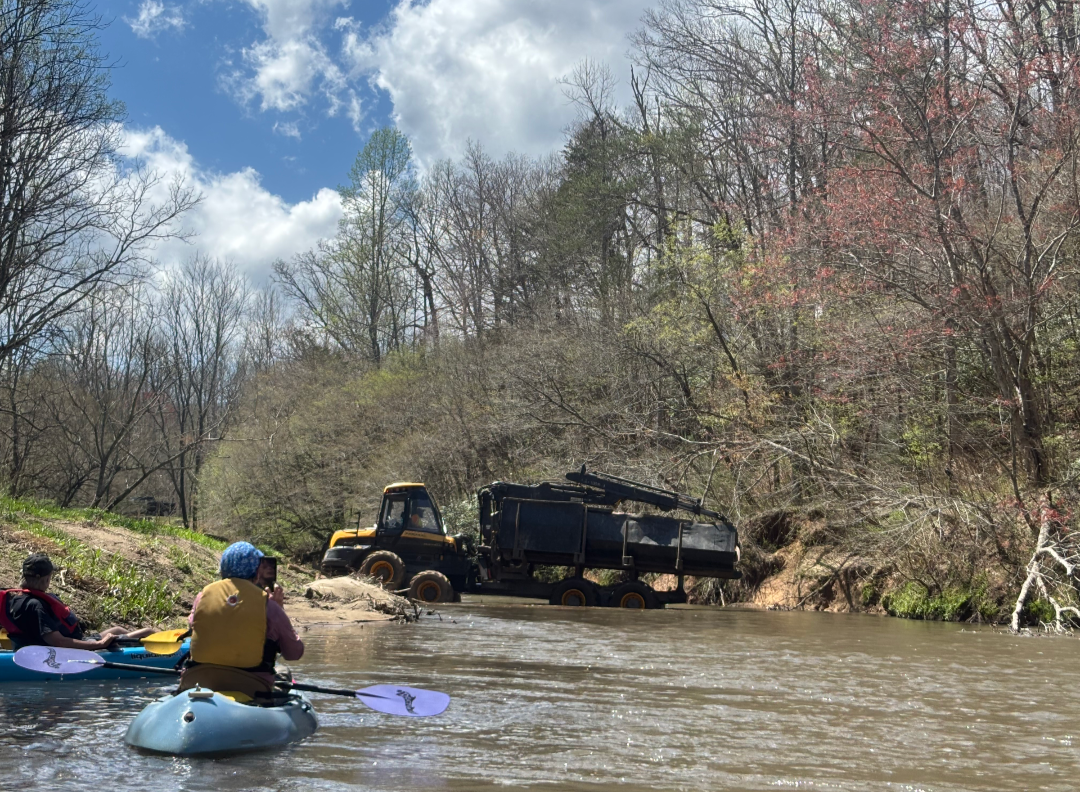
1 Best equip in Little T Angela MartinPaddlers observe contractors hired to clean up Hurricane Helene debris in a stretch of the Little Tennessee River that was largely spared the ravages of the storm.  Angela Martin/MountainTrue

Tell Army Corps, county officials to stop deforestation and river disturbance on the Little T

This editorial was provided by MountainTrue.

FRANKLIN, N.C. — The Little Tennessee River is home to 100 fish species alone — some found nowhere else in the world. The river and its adjacent greenway are also a beloved recreational resource for Macon County residents and tourists alike. But over the past few weeks, the banks of the river have been under assault by U.S. Army Corps of Engineers contractors, removing hundreds of trees, many of which were still alive. Take action now to prevent further damage to the river!

While large-scale debris removal continues to be a high priority in many parts of Western North Carolina in the aftermath of Hurricane Helene, the Little Tennessee River did not experience those same impacts; it saw only normal flooding. Apart from a few localized areas, like the Cullasaja River across from Walmart, there is no need for disaster recovery-type debris removal in Macon County waterways. And yet, contractors started near Tryphosa Road in Otto and have been working their way down the river, removing trees and debris from the river channel and banks in areas where no flooding impacts occurred. 

Last modified on Friday, 09 May 2025 22:58

bafkreicdlcqwzycxaxv422ixsse37f6ahdbqscuwdp426fsdfwqbmcptoySarah Nelson stands with a copy of The Journal of Undergraduate Research, which ran her first scientific publication in 2003. It was researched during her time as an intern at Oak Ridge National Laboratory. Nelson is now a senior research scientist.  Derek Armstrong via BlueSky  

Federal science cuts, in Oak Ridge and beyond, threaten American health and innovation

Sarah Nelson, MPH, PhD, is a senior research scientist in Seattle studying the genetic causes of complex health conditions. Hellbender Press has previously reported on changes to Oak Ridge federal facilities since the start of the second Trump Administration. This op-ed was originally published by KnoxNews.

OAK RIDGE — My mother has been cleaning out the attic in her Oak Ridge house and very reasonably decided my sisters and I should become the stewards of the memorabilia from our childhoods and early adulthoods. The box she recently mailed me included my first scientific publication, from my undergraduate summer internship at the Oak Ridge National Laboratory Mammalian Genetics Section (the “Mouse House”) in 2002.

Over 20 years later, I am a senior research scientist and author on 60+ scientific publications mostly related to understanding how genetic variation contributes to different human diseases.

Even before I received that box in the mail, I had been reflecting on why I chose a career in scientific research — mainly because, since January, I am no longer sure if and how I will be able to continue pursuing it. Federally funded scientific research is being attacked and dismantled by the administration of President Donald Trump, threatening the entire scientific enterprise. The situation is dire, and I urge you to join me in staying informed and speaking out against these existential threats to science. 

Last modified on Saturday, 26 April 2025 00:53

Screen Shot 2025 01 24 at 6.16.19 PM

Veterinary college takes precautionary measures due to bird flu resurgence

Sandra Harbison is a media relations specialist with the University of Tennessee College of Veterinary Medicine.

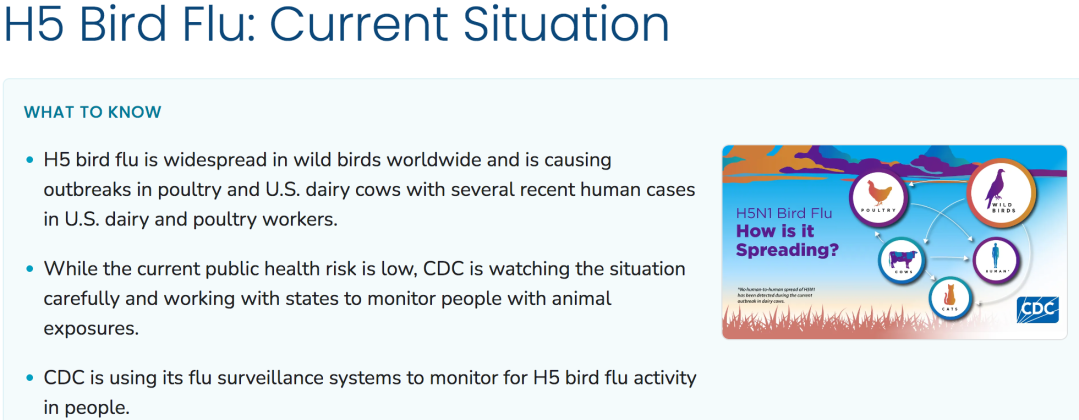
KNOXVILLE — High Pathogenic Avian Influenza (HPAI), a very contagious and often deadly disease of poultry, can result in the deaths of entire flocks within a matter of days. Also known as bird flu, HPAI has recently been detected in wildlife and poultry in Tennessee. This virus can spread quickly between birds, including birds that do not have any signs of disease. It has been reported to impact certain mammalian species, including humans, according to the Centers for Disease Control and Prevention. There is no treatment for HPAI, and the best prevention is to avoid sources of exposure.

Out of an abundance of caution, the University of Tennessee College of Veterinary Medicine (UTCVM) has made the difficult decision to temporarily halt the acceptance and treatment of injured or abandoned wild birds including raptors, songbirds or waterfowl (including owned waterfowl). This precautionary measure will help protect patients, faculty, staff and students from potential exposure to HPAI.

(The Tennessee Wildlife Resources Agency on Dec. 18 warned hunters, birdwatchers and poultry owners of increased bird flu risk. The CDCP as of Jan. 24 considers bird flu “widespread” in wild bird populations and reports limited outbreaks in poultry and livestock workers.)

Last modified on Wednesday, 29 January 2025 12:46

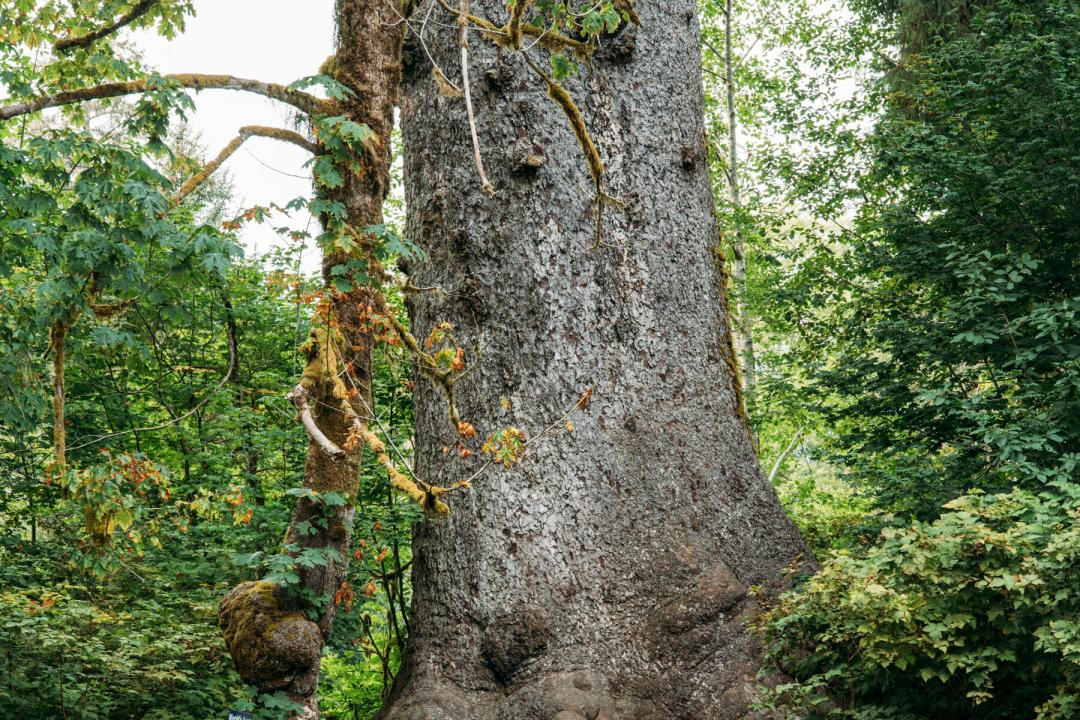
National Champion Sitka Spruce Washington state at Olympic National Park photo credit e1736800302775 1800x1200The 2024 National Champion Tree Register features the largest documented trees across the U.S. such as the National Champion Sitka Spruce, which people can see in Olympic National Park in Washington.  Brian Kelley via American Forests

Beginning in February, citizen scientists and others can help catalog our biggest trees

Katie Donaldson is a communications specialist for the University of Tennessee School of Natural Resources.

The original story continues below.

KNOXVILLE — The National Champion Tree Program (NCTP) will take nominations for new Champion Trees on its website starting Feb. 28. The list of eligible tree species for the 2025-2026 register includes more than 1,200 species of trees native and naturalized to the U.S., a steep increase from the 900 species eligible for the 2024 register. It is available online in the Register of Champion Trees. Nominations for potential Champions will stay open through August 2025.

“Each year, people find ‘new’ Champions all over the country,” said Jaq Payne, NCTP director. “It could be the tree in your backyard, the tree in front of your church or the tree in one of your local parks or state forests.” For the first time in the program’s 84-year history, an additional list of “culturally important non-native” eligible species will be included to represent common, widely recognized urban species previously not found on the register.

Champion Trees are identified based on a point system including the trunk circumference, height and average crown spread. After members of the public nominate trees, the NCTP will work with state coordinators to verify the submissions and their measurements. Verified trees will be added to the program’s data management system. National Champion Trees are crowned once every two years and must be re-verified every 10 years.

Last modified on Wednesday, 12 February 2025 00:54
Wednesday, 22 January 2025 12:24

Play real simcity with Knoxville plan for housing

61441676 2534604046552233 8039343196519530496 nA streetscape of downtown Knoxville. City leaders want input into how the city will spend federal housing dollars.  Thomas Fraser/Hellbender Press

KNOXVILLE — The City of Knoxville will host a public meeting at 6 p.m. Jan. 28 at the City’s Public Works Service Center, 3131 Morris Ave., to present information and data gathered about the city’s housing and neighborhood development needs that will be used to draft the 2025-2029 Consolidated Plan.

All attendees will have the opportunity to ask questions and provide feedback.

Every five years, the city’s Housing and Neighborhood Development department creates a Five-Year Consolidated Plan to outline how the city plans to allocate federal funds to meet local priorities in the categories of affordable housing, homelessness, economic development and other community development activities that serve low- and moderate-income households. Those annual funds come from the U.S. Department of Housing and Urban Development (HUD)’s Community Development Block Grant, HOME Investment Partnerships, and Emergency Solutions Grant (ESG) funding sources.

This meeting continues a community engagement process that began in 2024 with public meetings and consultations with service providers and community groups. More than 600 residents have been involved thus far.

Residents will be able to review the draft Consolidated Plan in April and provide additional feedback before the plan is submitted to HUD by May 15, 2025.

In addition to commenting in person, residents may provide feedback via email to This email address is being protected from spambots. You need JavaScript enabled to view it. or in writing to Linda Rust, City of Knoxville Housing and Neighborhood Development Department, P.O. Box 1631, Knoxville, TN  37901.

Last modified on Wednesday, 29 January 2025 23:41

Sukakpak Mountain Bob Wick BLM 1024x576Sukakpak Mountain lies in the Brooks Range of Alaska. Mountain environments were the subject of a conservation paper that found more protections are needed for the many differing types of montaine environments. “Mountains are super-important for biodiversity, ecosystem function, and the benefits people get from nature. We ignore them at our peril,” said a Society for Conservation Biology researcher.  Bob Wick/Bureau of Land Management

Scientists churned out studies on life, the planet and the roles people play in the natural world

This story was originally published by The Revelator.

Every month scientific journals publish hundreds of new papers about endangered species and wildlife conservation. It’s a firehose of information in a world that feels increasingly in flames.

We asked researchers to send us their best or favorite papers of the past year. We received submissions that offer hope, guidance, analysis, and insight into emerging threats.

Aerin Jacob, director of science and research at Nature Conservancy of Canada, sent a coauthored paper from Conservation Biology about mountains — a habitat type that deserves more attention. “People often think that mountain ecosystems are so rugged and inaccessible that they don’t need habitat protection, but that’s not true,” she wrote. “We studied six major mountain regions around the world and found that on average half of them are as modified as the rest of the world; two-thirds of them don’t (yet) meet the 30×30 global protection target; and existing protected areas don’t include the vast majority of mountain ecosystem types. Mountains are super-important for biodiversity, ecosystem function, and the benefits people get from nature. We ignore them at our peril.” 

Caribbean reef shark GratwickeOne noteworthy study of 2024 was the role public information consumption plays in the perception of sharks, such as this endangered Caribbean Reef Shark. A researcher warns misinformation is polluting science.  Brian Gratwicke via Revelator.

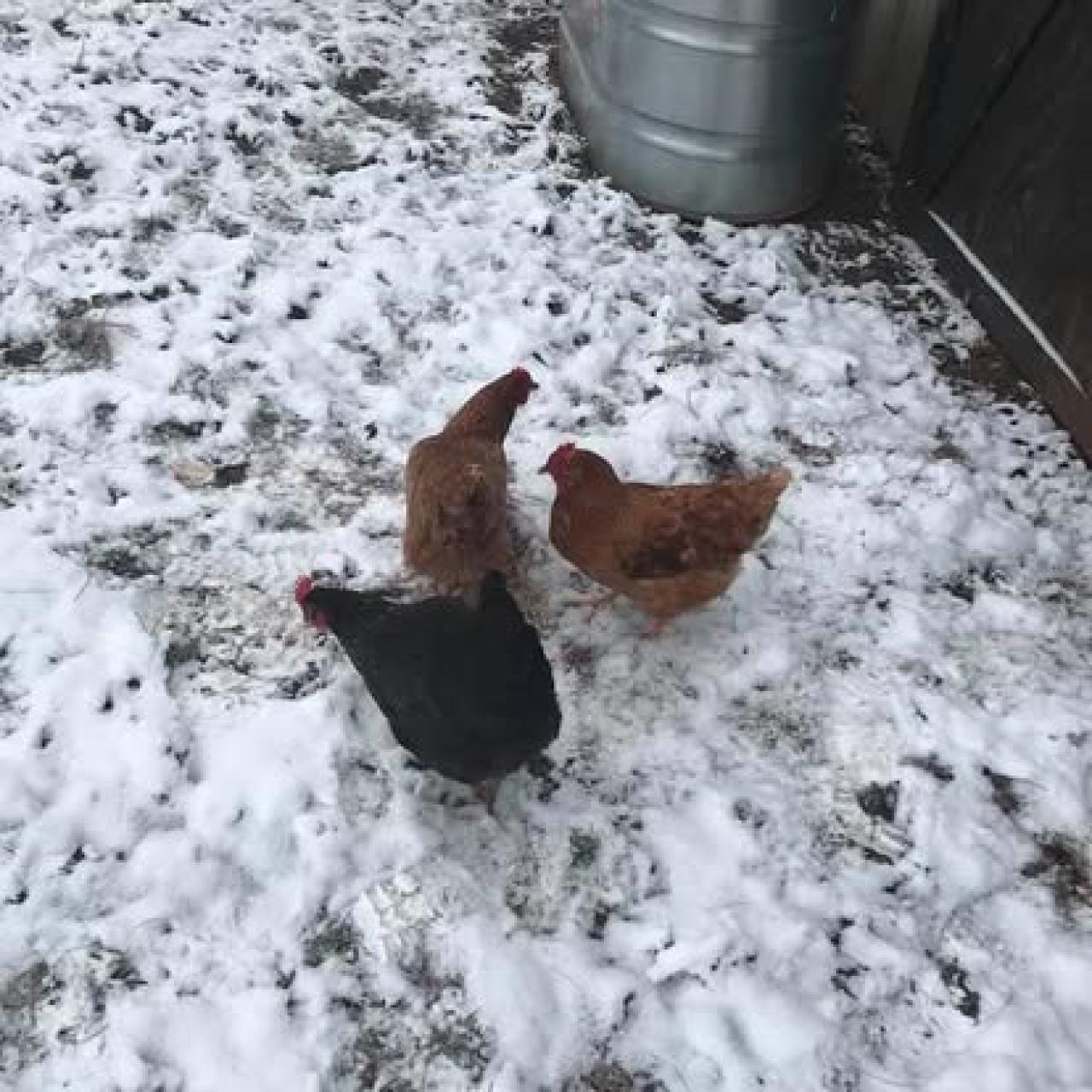
chickens.jpgEven small backyard flocks, such as the one seen here in South Knox County, are susceptible to fatal avian influenza. The state of Tennessee issued guidelines and warnings as the number of bird flu outbreaks soars.  Thomas Fraser/Hellbender Press

If you have birdfeeders at home, remove any dead birds you may encounter and stop feeding; minimize any poultry/wildlife interactions

Lee Wilmot is a TWRA information specialist. This story will be updated. 

NASHVILLE — The Tennessee Wildlife Resources Agency is reminding hunters to remain vigilant and take appropriate precautions as reported cases of Highly Pathogenic Avian Influenza (HPAI) increase among wild birds, backyard domestic flocks and commercial poultry flocks in the Southeast.  HPAI is highly contagious among bird populations and is known to be deadly for domestic fowl.

(California Gov. Gavin Newsom on Dec. 18 declared a state of emergency in California as cases in that state jump dramatically).

“Numerous states in the Mississippi Flyway are reporting HPAI detections that are leading to dead and dying birds, mainly snow geese,” said Jamie Feddersen, TWRA Migratory Gamebird Coordinator. “Tennessee is also finding ducks and geese with HPAI. Hunters should follow safety precautions when handling these birds.”

“Since March 2022, Tennessee has confirmed numerous cases of Highly Pathogenic Avian Influenza in wild birds, including ducks, Canada geese, vultures and a Bald Eagle,” said TWRA Wildlife and Forestry Chief Joe Benedict. “We urge homeowners and hunters to take precautions to prevent the spread of the disease in Tennessee and to protect wildlife and poultry populations.” 

Last modified on Sunday, 22 December 2024 01:06

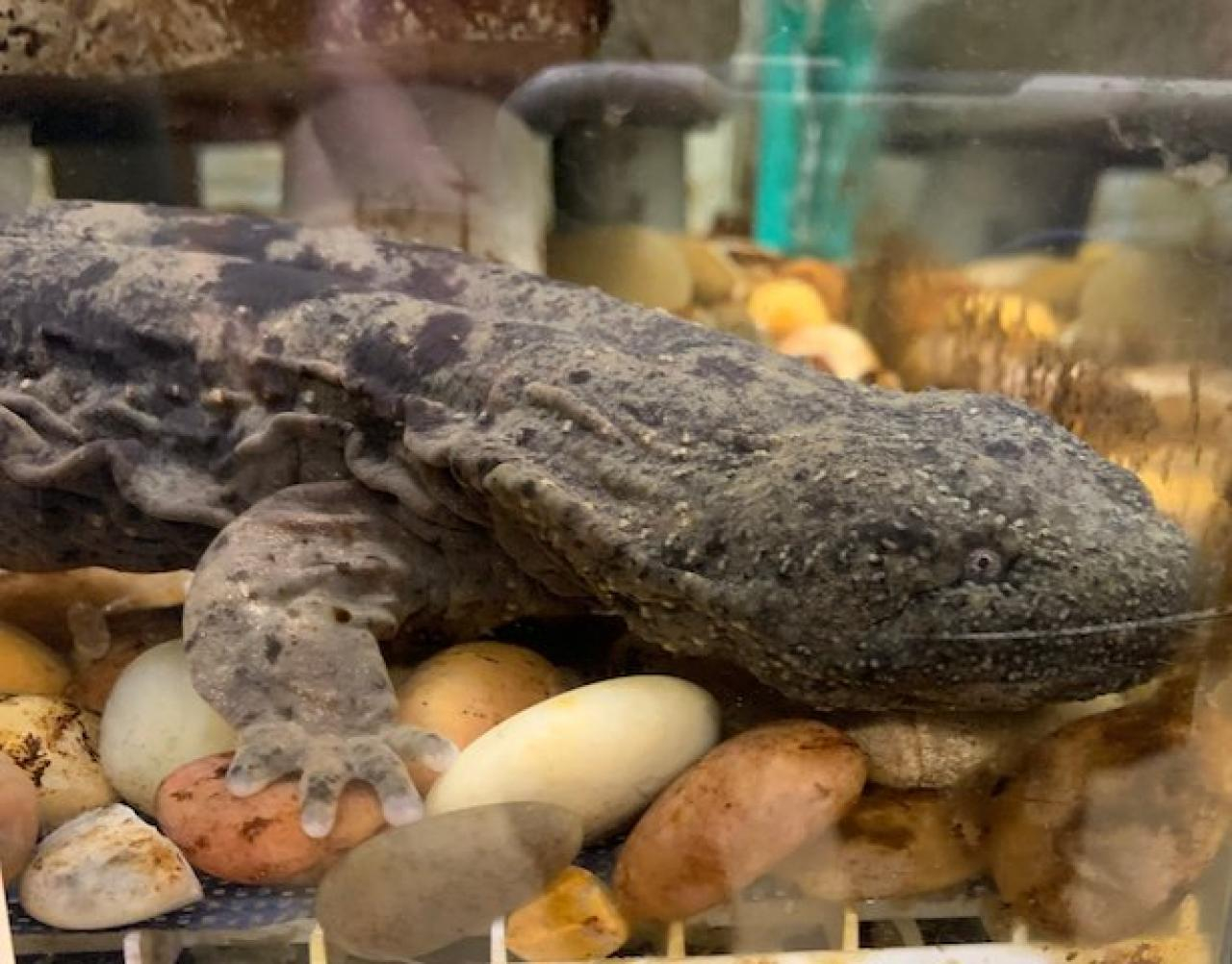
hellbender eslThe U.S. Fish and Wildlife Service seeks public comment on a proposal to place the eastern hellbender on the Endangered Species List. The hellbender seen here is part of an exhibit at an East Tennessee zoo.  Chattanooga Zoo

USFWS seeks public comment on proposed listing of crucial indicator species throughout its known range; several populations in Smokies region

Melissa Clark is a U.S. Fish and Wildlife Service senior public affairs specialist.

The U.S. Fish and Wildlife Service announced Dec. 12 a proposal to list the eastern hellbender as an endangered species throughout its range under the Endangered Species Act. Eastern hellbenders are found in Alabama, Georgia, Illinois, Indiana, Kentucky, Maryland, Mississippi, Missouri, New York, North Carolina, Ohio, Pennsylvania, Tennessee, Virginia and West Virginia.

“The eastern hellbender is a unique salamander that plays a crucial role in maintaining healthy freshwater ecosystems,” said Service Midwest Regional Director Will Meeks. “As key indicators of stream and river health, hellbenders need protection that also will help support healthier ecosystems across their range.”

Historically, eastern hellbenders have been documented in 626 populations. Recent data indicate only 371 of these populations (59%) remain. Among the remaining populations, only 45 (12%) are stable, 108 (29%) have an unknown recruitment status, and 218 (59%) are in decline.

The eastern hellbender is one of two subspecies of hellbenders in the United States. The other subspecies, the Ozark hellbender, occurs in Missouri and Arkansas and was listed as an endangered species in 2011. In 2021, the Missouri distinct population segment of the eastern hellbender was listed as endangered.

Last modified on Saturday, 14 December 2024 00:47

foothills map

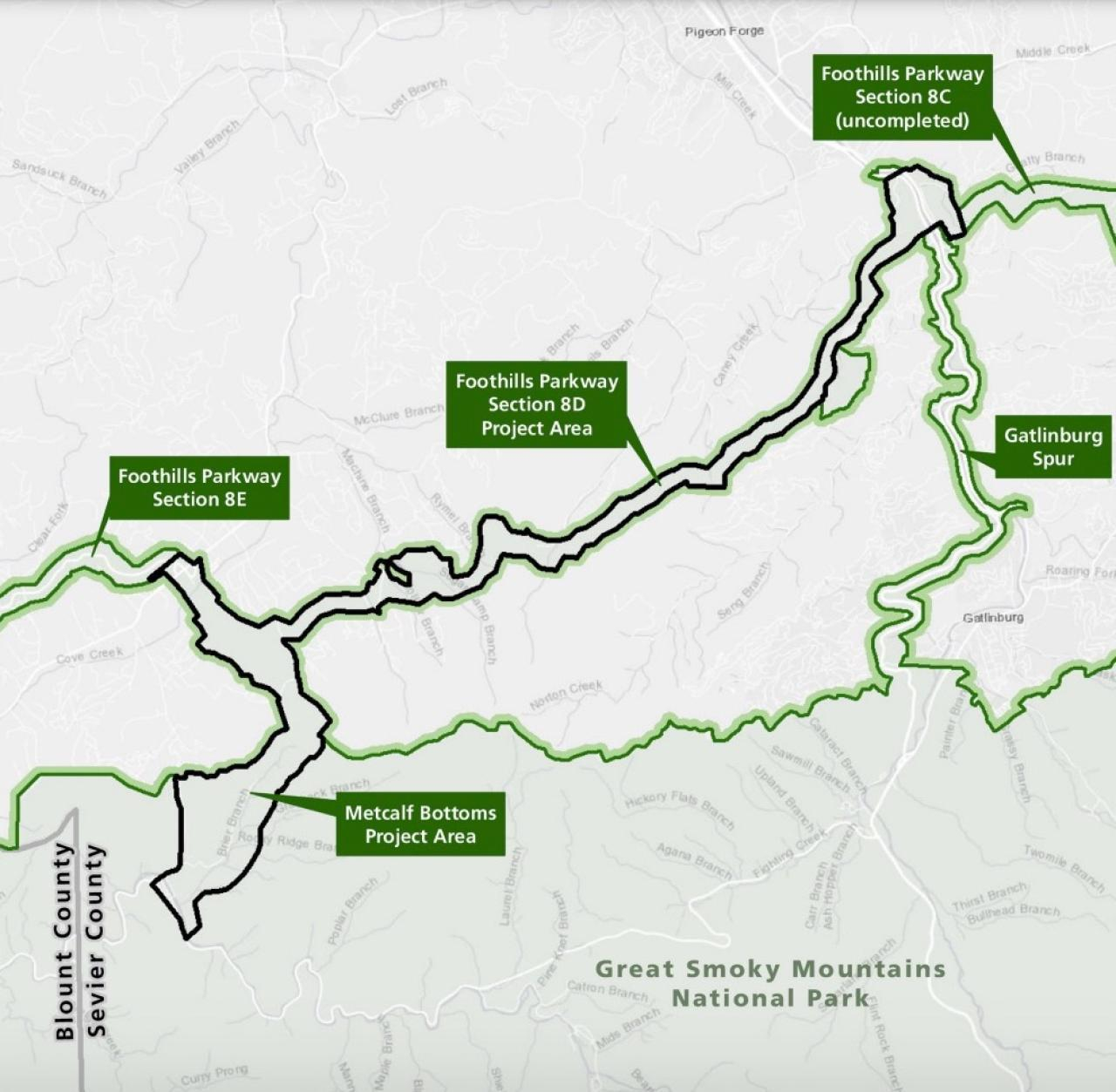
Conservation groups have cautioned against the zombie roadway between Wears Valley and Gatlinburg; EIS-level study uncertain

This story will be updated.

The National Park Service (NPS) said Dec. 9 it “will conduct additional design work and technical studies for Foothills Parkway Section 8D. This decision was based on feedback from subject matter experts and public comments received during a 30-day public comment period that ended Aug. 21.
“The NPS will reinitiate the National Environmental Policy Act (NEPA) process and inform the public of opportunities for future public engagement once this additional work is completed. A schedule for completing the additional work has not yet been established,” according to a release from NPS public affairs specialist Dave Barak.
 
Conservation groups, including the National Parks Conservation Association, say the road would further fragment forest habitat and present unacceptable water-quality hazards.
 
The NEPA offers a range of alternatives, however, and it was not immediately known whether the park service would again embark on a more detailed environmental impact statement (EIS) or proceed with a relatively cursory environmental assessment.
 
A draft of the previous EIS process for this parkway project were completed decades ago, as reported by Hellbender Press.
 
The federal government last year opened the latest round of public comment on the project, which would traverse Buckeye Knob and Cove Mountain and multiple aquatic and karst environments.


Concerns raised by the public over the decades range from impacts on domestic water supplies and endangered or threatened species to the fact the roadway might be a catalyst for excessive tourism infrastructure in Townsend and Wears Valley. 

Last modified on Monday, 09 December 2024 23:34
Page 1 of 3